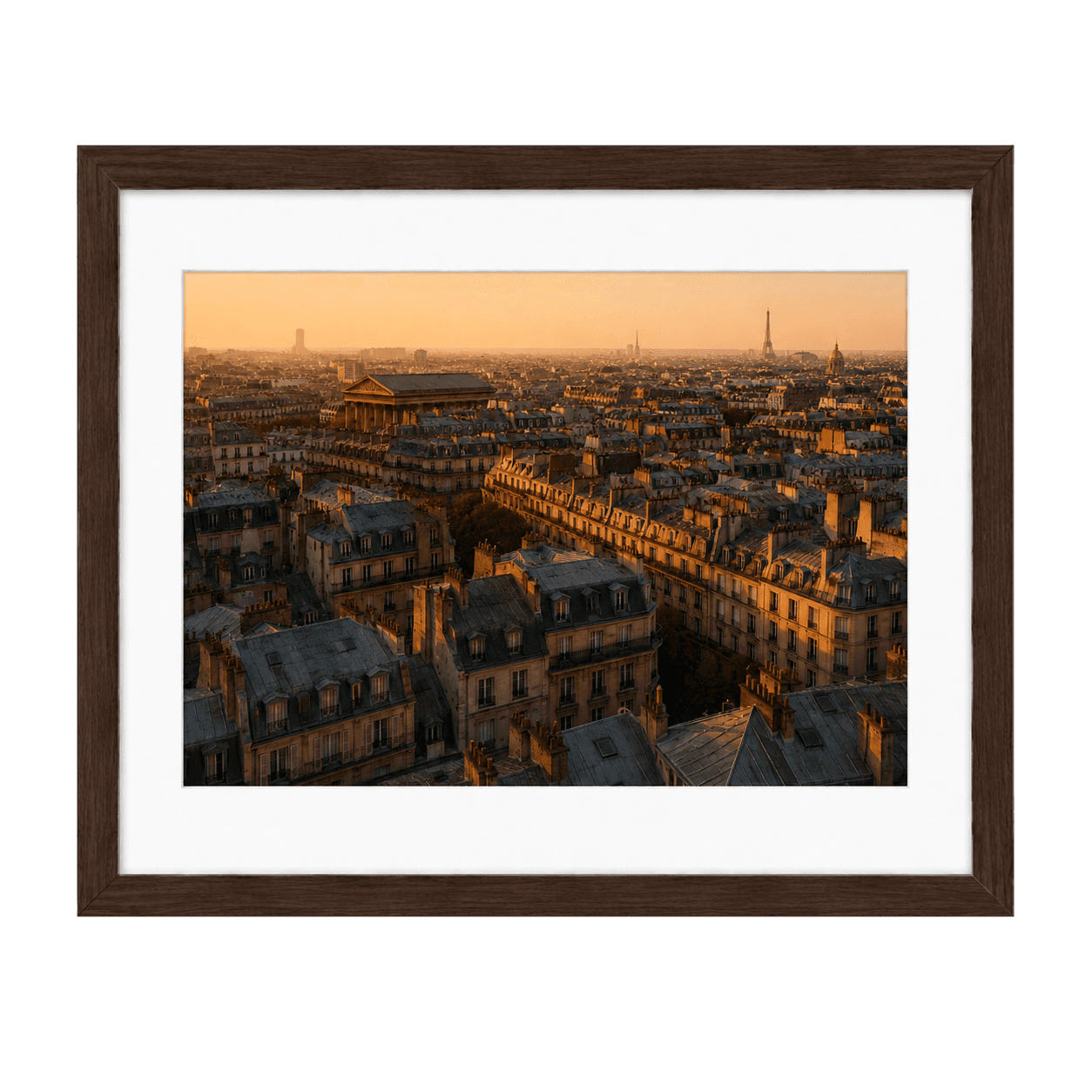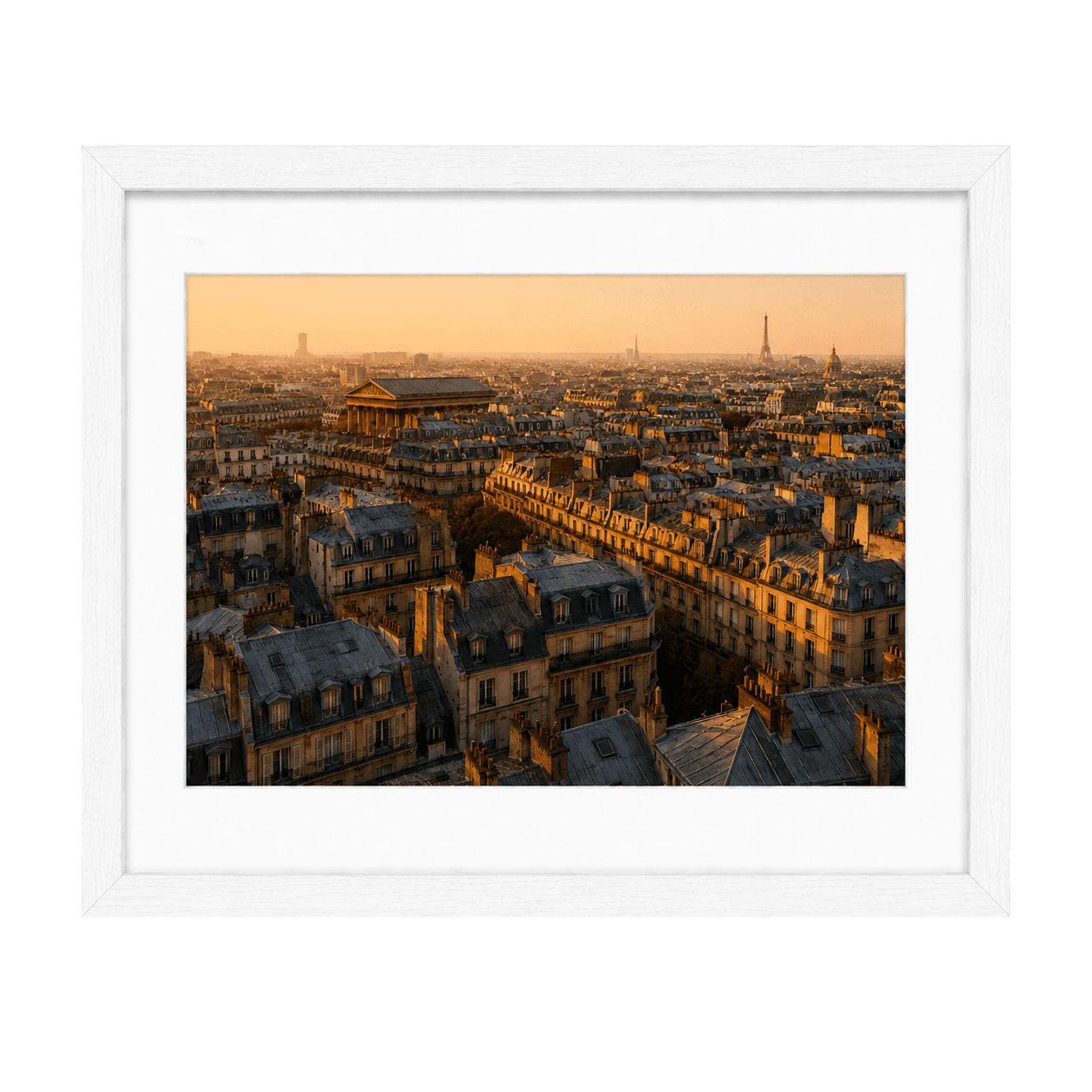

Above the City$142.00 USD
Preparing the gallery…
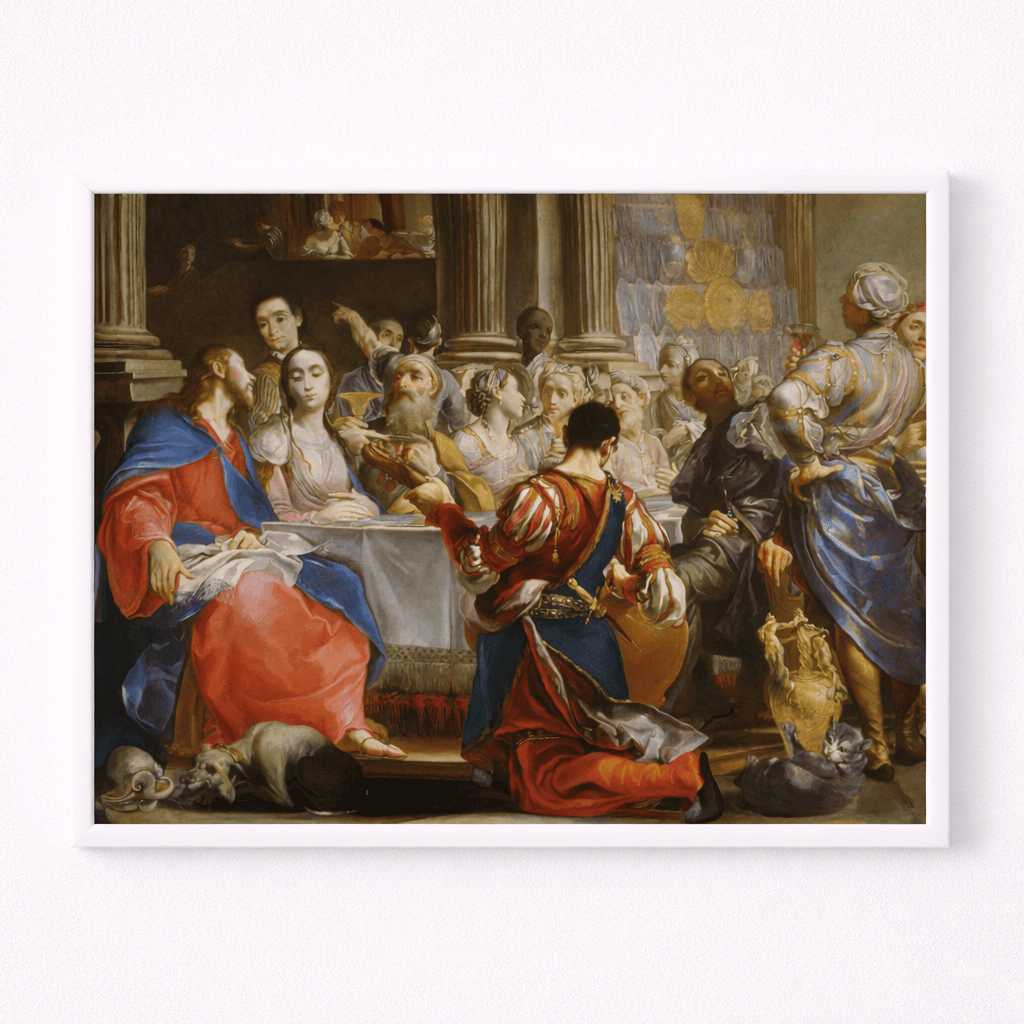
The Wedding at Cana (1681–1691) by Giuseppe Maria Crespi represents a dynamic Baroque interpretation of the biblical miracle in which Christ turns water into wine. The composition centers on an animated banquet scene, where richly dressed figures gather around a table as servants present vessels of wine. Painted between 1681 and 1691, the work reflects Crespi’s early formation in the Bolognese tradition, combining dramatic gesture with refined color harmonies. Unlike more monumental treatments of the subject, Crespi emphasizes human interaction and psychological nuance, bringing immediacy to the sacred narrative. The painting belongs to a period when Italian Baroque artists sought to merge devotional themes with vivid depictions of contemporary life. Today, it stands as an important example of Crespi’s contribution to late 17th-century religious painting and his distinctive blend of theatricality and realism.
READ MORE⌁ 7 Low stock
$182.00 USD
Tax included.
Secure checkout is represented as a local demonstration only.
The work
The Wedding at Cana (1681–1691) by Giuseppe Maria Crespi represents a dynamic Baroque interpretation of the biblical miracle in which Christ turns water into wine. The composition centers on an animated banquet scene, where richly dressed figures gather around a table as servants present vessels of wine. Painted between 1681 and 1691, the work reflects Crespi’s early formation in the Bolognese tradition, combining dramatic gesture with refined color harmonies. Unlike more monumental treatments of the subject, Crespi emphasizes human interaction and psychological nuance, bringing immediacy to the sacred narrative. The painting belongs to a period when Italian Baroque artists sought to merge devotional themes with vivid depictions of contemporary life. Today, it stands as an important example of Crespi’s contribution to late 17th-century religious painting and his distinctive blend of theatricality and realism.